
Slips, Trips and Falls in the Workplace: What We Advise to Review First
Key Takeaways
- Slips, trips, and falls often result from surface contamination, obstructed walkways, unsuitable footwear, and changing site conditions.
- Entrances, production areas, loading bays, and stairways deserve particular attention because their conditions can change throughout the working day.
- Effective prevention means identifying hazards at the source, not relying solely on warning signs or personal protective equipment.
A warehouse walkway may be clear at the start of a shift, only to become obstructed by packaging materials during peak operations. Similarly, a production floor that appears dry may develop slippery patches from leaking equipment or accumulated dust.
These examples illustrate why preventing slips, trips, and falls in the workplace requires more than routine housekeeping. Industrial environments introduce hazards that change with work activities, weather conditions, and employee movement.
For safety teams, the priority is understanding where these risks develop, how existing controls perform, and which areas require closer attention. A practical review considers walking surfaces, pedestrian routes, operational activities, and footwear suitability together.
What Causes Slips, Trips and Falls in the Workplace?
Although often grouped together, slips and trips involve different mechanisms. A slip occurs when footwear loses sufficient traction against the walking surface. Water, oil, grease, dust, and cleaning residues can reduce grip.
Meanwhile, a trip happens when an obstacle or change in surface level interrupts normal movement. Common examples include trailing cables, loose materials, damaged flooring, and poorly marked steps.
From a workplace safety perspective, distinguishing between slip and trip hazards is essential because each requires a different approach to prevention. During a workplace risk assessment, safety teams should examine how employees move through the area, where conditions change and whether existing controls are effective.
Which Workplace Areas Deserve the Closest Attention?
We recommend starting with areas where employees are frequently exposed to changing floor conditions, particularly locations involving wet processes, vehicle movement, or repeated spillages. Previous incidents, near misses, and ineffective existing controls can help determine which areas require immediate corrective action.
Entrances and Transition Areas
Rainwater, mud, and debris can be carried into facilities through frequently used entrances, making these areas particularly vulnerable to slip hazards. Saturated or displaced entrance mats may further increase the risk, while curled edges can create trip hazards. To manage these risks, safety teams should assess whether drainage, entrance mats, and pedestrian routes remain effective during wet weather.
Production and Processing Areas
Machinery leaks, lubricants, fine powders, and production residues can gradually contaminate walking surfaces. For industrial floor safety, inspections should consider where materials are transferred, where residues accumulate, and whether existing cleaning arrangements address these conditions effectively.
Loading Bays and Warehouses
Loading bays combine pedestrian movement with forklifts, pallets, packaging materials, and changing weather conditions. Loose straps, discarded shrink wrap, damaged pallets, and temporary stock can obstruct designated walkways, particularly during busy loading periods.
Stairs, Ramps, and Uneven Surfaces
Damaged steps, poorly maintained ramps, and floor-level changes can interrupt normal movement. When reviewing uneven flooring hazards, we advise safety teams to consider surface condition, lighting, handrail integrity, and whether changes in elevation are clearly visible.
How Do Daily Operations Change Slip and Trip Risks?
A floor considered safe during an initial inspection may become hazardous as work progresses. Three operational factors deserve particular attention:
- Spills and contamination: Leaking equipment, process residues, and accidental spills can reduce traction. Prompt reporting, containment, and appropriate cleaning help prevent hazards from spreading.
- Cleaning and washdown: Wet floors, hoses, and cleaning equipment may temporarily obstruct access or create slippery conditions. Barriers and suitable cleaning schedules help manage exposure.
- Weather and material transfer: Rainwater, mud, and fine particles can transfer between work areas on footwear or equipment wheels, spreading contamination beyond its original location.
From a safety perspective, managing slips, trips and falls in the workplace requires more than scheduled inspections. Understanding which activities introduce hazards, where contamination is likely to spread, and when pedestrian routes are most exposed allows organisations to plan inspections around actual operating conditions.
How Does Safety Footwear Influence Slip Prevention?
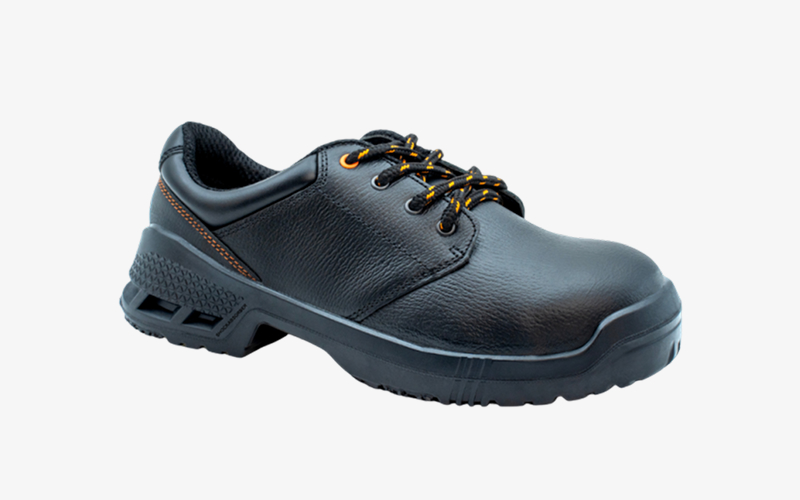
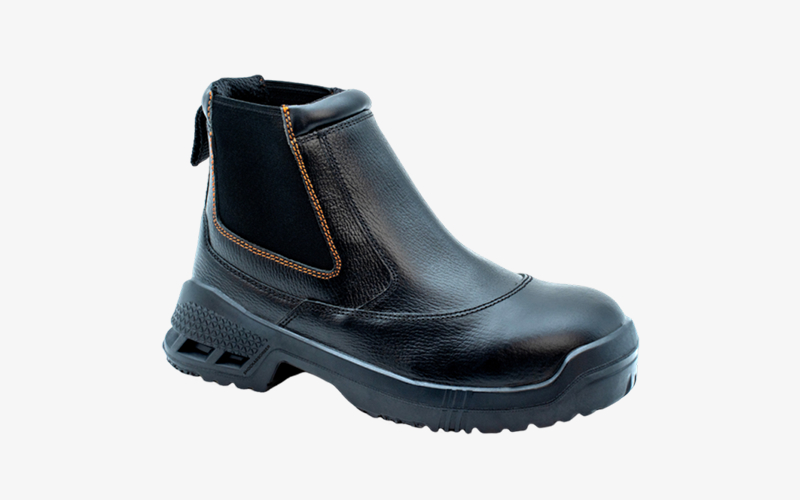
When assessing workplace footwear requirements, the priority is understanding the specific hazards employees encounter. Factors such as floor texture, exposure to oil or water, and movement between work areas can influence the level of slip resistance required. At Ansac Technology, we offer Kings safety shoes as part of our foot protection range, helping businesses explore footwear options suited to their working conditions.
Improving Grip on Wet and Slippery Surfaces
Slip-resistant outsoles provide traction on different walking surfaces, helping workers maintain stability during movement. However, performance varies with floor texture and contaminants such as water, oil, or grease.
For example, footwear suitable for a dry warehouse may not provide the same grip in an oily production area. This is why we recommend evaluating slip-resistance performance against the specific conditions employees encounter.
Maintaining Traction Through Proper Sole Condition
Even suitable safety footwear can become less effective when oil, mud, grease, or fine particles accumulate on the soles. These contaminants can reduce traction and spread between work areas, creating additional slip hazards.
Similarly, worn or damaged soles may provide less reliable grip. Regular inspections help identify when footwear requires cleaning or replacement to maintain its protective performance. Organisations evaluating safety shoe options in Singapore should consider tested slip resistance, sole durability, and compatibility with workplace hazards.
What Should Be Reviewed After a Slip, Trip or Near Miss?
A worker who slips without falling may reveal a hazard before a more serious incident occurs. Investigations should establish the conditions present at the time.
Relevant questions include:
- Was the walking surface wet, contaminated, damaged, or obstructed?
- Was the employee’s footwear suitable and in acceptable condition?
- Were lighting, visibility, and pedestrian access adequate?
- Had the hazard been reported or observed previously?
- Could similar conditions exist elsewhere within the facility?
Findings should inform corrective actions, including improvements to housekeeping, maintenance, access arrangements, or footwear requirements.
Why is a Combination of Preventive Measures Necessary?
Preventing slips, trips, and falls in the workplace requires controls that address both hazard sources and employee exposure. The priority should be eliminating hazards where reasonably practicable before relying on measures that only reduce exposure or provide additional protection.
For example, repairing leaking equipment addresses the source of floor contamination. Where residual spills remain possible, suitable drainage, containment, and cleaning procedures can help maintain safe walking surfaces. Slip-resistant footwear provides an additional layer of protection, but should not replace these measures.
The same principle applies to trip hazards. Keeping pedestrian routes free of unnecessary materials is better than relying solely on warning signs, and designated storage areas and physical separation can help prevent recurring obstructions.
Strengthening Workplace Foot Protection
Reducing slips, trips, and falls in the workplace starts with identifying changing site conditions and implementing appropriate preventive measures. Alongside effective housekeeping and maintenance, suitable safety footwear forms an important part of protecting employees.
Regular safety reviews, timely corrective actions, and appropriate protective equipment can help organisations reduce workplace risks. Working with a reliable safety shoes supplier also helps businesses select footwear suited to their operational hazards. Together, these measures support a safer working environment while maintaining productivity and operational continuity.
About Ansac Technology
Founded in 2000, Ansac Technology has over 25 years of experience providing safety, environmental, and measurement solutions across Singapore and Malaysia. We work with established global brands and support organisations through technical expertise, product consultation, and after-sales service.
Contact us for expert guidance on selecting suitable foot protection for your workforce.
Frequently Asked Questions
1. Can slip-resistant safety shoes prevent all workplace falls?
No. Slip-resistant footwear can help improve traction under specified conditions, but it cannot eliminate every hazard. Floor contamination, obstacles, poor lighting, and uneven surfaces must also be addressed through suitable workplace controls.
2. How often should workplace slip and trip hazards be inspected?
Inspection frequency should reflect the workplace’s risk level, activities, and changing conditions. High-traffic areas, wet processing zones, and loading bays may require more frequent checks, particularly after cleaning, maintenance, or operational changes.
3. What should employers consider when selecting safety footwear?
Employers should assess surface conditions, potential contaminants, footwear fit, and relevant protective requirements. They should also check applicable safety standards and whether the footwear’s slip-resistance testing reflects the intended working environment.