

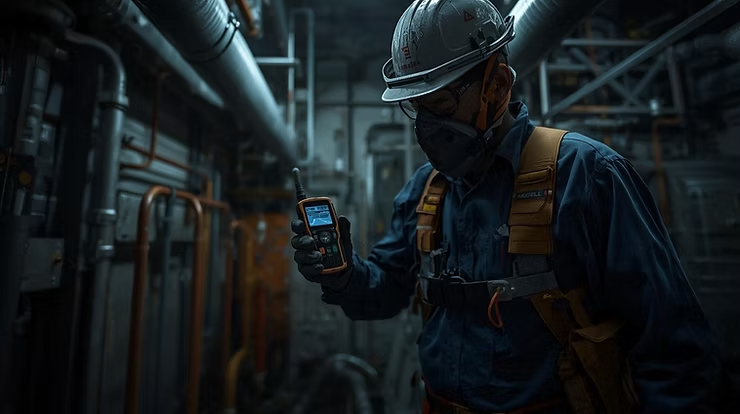
Why Safety Procedures Fail in Real-World Industrial Operations
Industrial companies invest heavily in safety procedures, training, and compliance. On paper, everything looks solid. Yet incidents involving toxic gas exposure and unseen gas hazard risks still occur in facilities that appear fully compliant.
The uncomfortable reality is this. Having procedures does not guarantee protection.Real safety depends on how well those procedures work under real working conditions.This is especially true when dealing with invisible threats like toxic gas, oxygen deficiency, or combustible atmospheres. In these environments, a reliable portable gas detector often becomes the difference between routine work and a serious incident.
When “Compliant” Still Isn’t Safe
Many organizations pass safety audits with ease. Documentation is complete. Risk assessments are filed. Standard operating procedures exist for confined space entry, hot work, and maintenance tasks.
| However, audits often check whether procedures exist, not whether they actually function effectively in day to day operations. A procedure may look perfect in a manual but fail under pressure, time constraints, or changing site conditions.
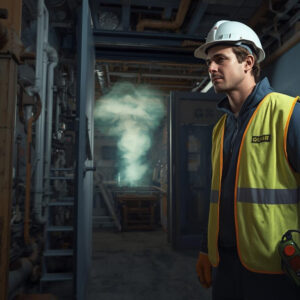
Gas safety is particularly vulnerable to this gap. The presence of a gas hazard cannot be confirmed by sight or smell. Without consistent use of a calibrated portable gas detector, workers may unknowingly enter an area with toxic gas or low oxygen levels even though all required procedures are technically in place. |
 |
The Paper Safety Problem
Many gas safety procedures are written with good intentions but poor usability in the field. Common issues include:
 |
|
Imagine a maintenance technician responding to an urgent breakdown. Production is waiting. Supervisors are asking for updates. The technician flips through a long procedure that lists multiple gas testing steps but does not clearly prioritize actions. In reality, they may perform a quick check with a portable gas detector and move on without fully assessing the gas hazard. When procedures are hard to use, workers naturally adapt them. These shortcuts are often invisible to management until an incident occurs.
Human Factors That Undermine Gas Safety
Even well designed procedures can break down when human behavior is not considered. Industrial workers often operate under:
- Time pressure to restore production
- Familiarity with routine tasks that seem low risk
- Confidence based on many previous jobs without incident
| Over time, this can lead to skipped steps or rushed gas checks. A worker might think, “I have opened this pit many times and never seen toxic gas before.” That assumption can be dangerous because gas conditions can change due to weather, nearby processes, or leaks. |
 |
Alarm fatigue is another major issue. If a portable gas detector alarms frequently in borderline conditions, workers may start to view alerts as routine noise instead of a serious warning. This reduces the urgency to investigate a potential gas hazard.
Where Gas Safety Procedures Commonly Fail
Breakdowns in gas safety usually happen at predictable points in the workflow.
Pre entry gas testing is skipped or rushed
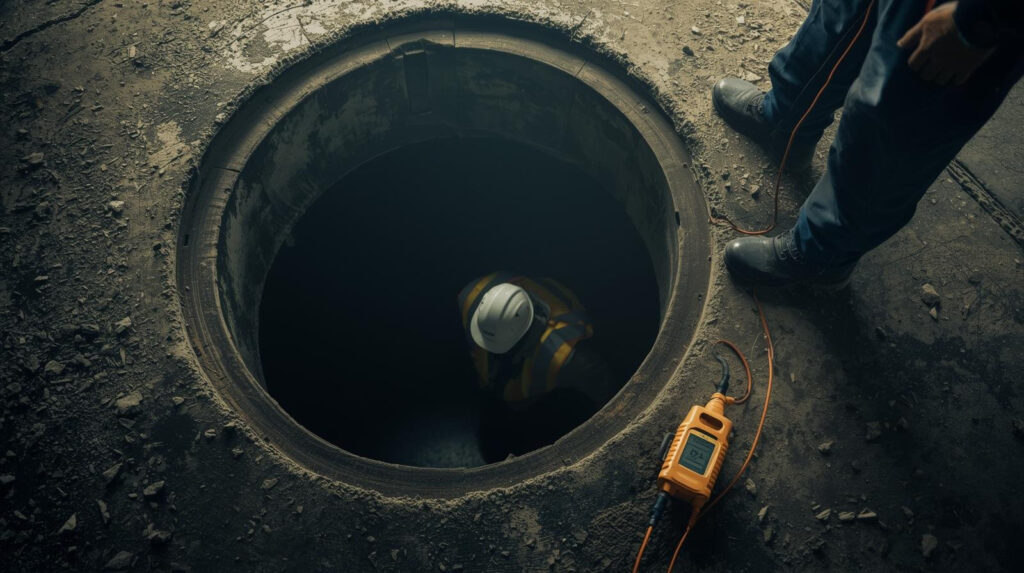
Workers may perform a quick bump test but fail to properly sample different levels of a confined space where toxic gas can stratify.
Conditions change during the job
Hot work, chemical cleaning, or process upsets can release new gases. Without continuous monitoring using a portable gas detector, workers may not realize the environment has become unsafe.
Alarms are acknowledged but not investigated
A gas detector alarm might be silenced without checking the source, especially if it is seen as a nuisance.
Poor shift handover communication
One team may detect a minor gas hazard and manage it temporarily, but fail to clearly brief the next shift. The incoming team then works under incorrect
assumptions about air quality.
Each of these failure points introduces uncertainty. In environments with toxic gas, uncertainty is where serious incidents emerge.
The Gap Between Management Intent and Shop Floor Reality
Management often believes safety procedures are followed exactly as written. Supervisors assume gas testing is done thoroughly. Workers assume that if there were a serious gas hazard, someone else would have noticed.
This misalignment creates a dangerous blind spot. Without real time data from portable gas detectors and active supervision of how they are used, leadership may not see the gradual drift from procedure to shortcut.
For example, a policy may require continuous monitoring with a portable gas detector during tank cleaning. In practice, the detector might be placed on a nearby ledge instead of worn in the breathing zone, reducing its effectiveness against toxic gas exposure.
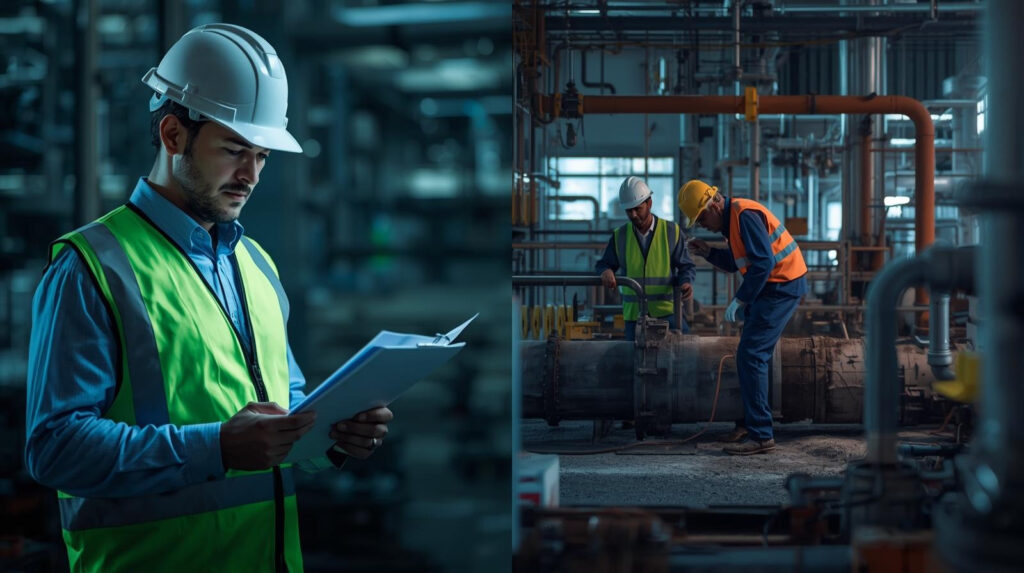
What High Performing Sites Do Differently
Organizations with strong gas safety performance go beyond paperwork. They design systems that make the safe action the easy action.
Procedures are task based
Instead of one generic gas safety procedure, they create specific steps for welding in a confined space, sewer entry, or chemical tank maintenance. Each scenario highlights the relevant gas hazard and detector requirements.
Steps are simplified and prioritized
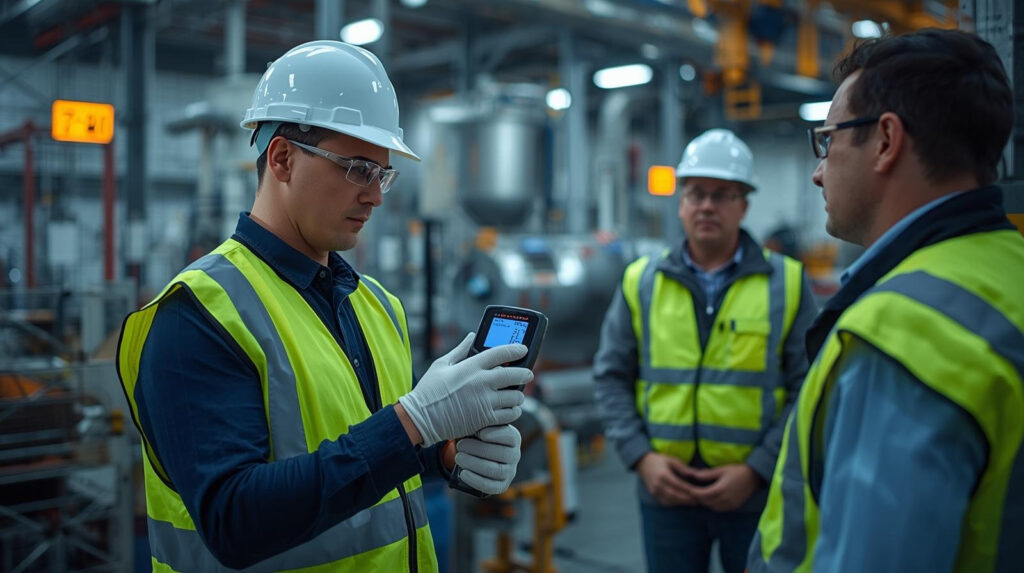
Clear instructions such as “Test top, middle, and bottom before entry using a calibrated portable gas detector” are easier to follow than long paragraphs of text.
Accountability is clearly defined
It is always clear who is responsible for gas testing, who reviews readings, and who has the authority to stop work if toxic gas levels are unsafe.
Safety is built into the workflow
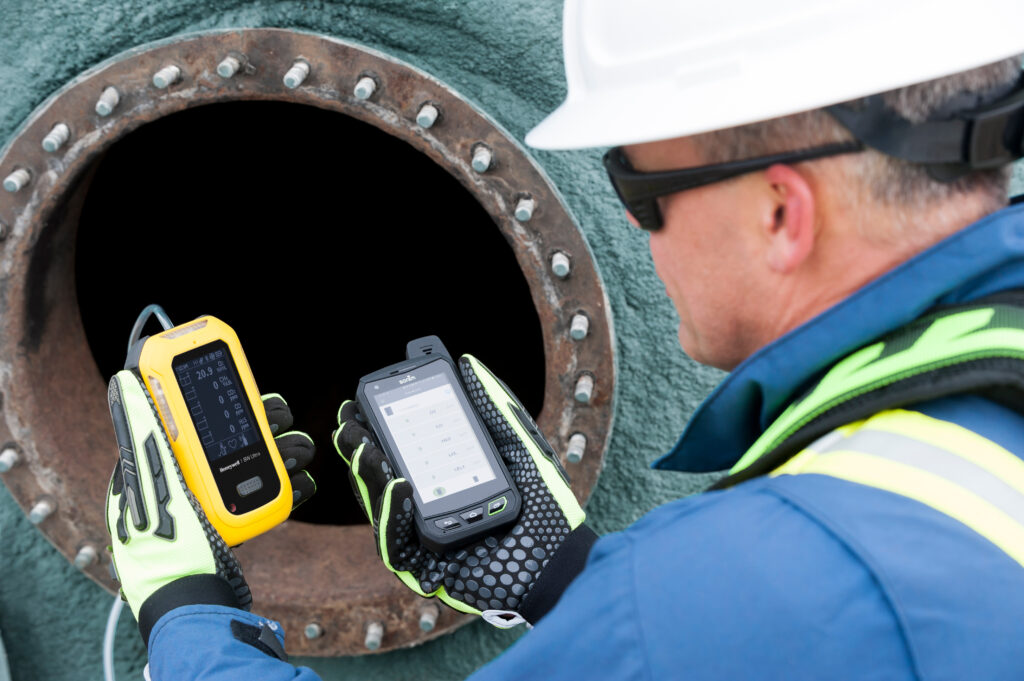
Portable gas detectors are issued as standard personal protective equipment for certain roles, just like helmets or gloves. Charging, bump testing, and calibration become routine parts of the shift, not optional extras.
From Rules to Real Protection
Safety procedures only protect workers when they match real world conditions. Gas hazards are dynamic, invisible, and often unpredictable. Relying on paperwork alone is not enough.
By combining practical procedures with the consistent use of a reliable portable gas detector, organizations turn written rules into real time protection. Workers gain immediate visibility of toxic gas risks. Supervisors gain confidence that conditions are being monitored. Management gains data that reflects actual exposure, not just assumed safety.
Closing the gap between documentation and execution is not just about compliance. It is about ensuring every worker goes home safely, even when conditions change and pressure is high. In the world of industrial gas hazard management, that is what true safety leadership looks like.
Ansac Technology (S) Pte Ltd is ISO 9001 certified for quality management and BizSafe Star certified for workplace safety and health excellence.