
What is Lone Worker Safety and Why It Matters More Than Ever
- 7 hours ago
- 3 min read

In many industries today, employees are no longer working in teams or under direct supervision. From field engineers to maintenance workers, more people are working alone in remote or isolated environments.
While this improves efficiency, it also introduces a critical concern is lone worker safety.
What is a Lone Worker?
When people hear the term lone worker, they often imagine someone working completely alone in a remote place. In reality, it covers a much wider range of roles than most people think. A lone worker is anyone carrying out their job without close or direct supervision, whether they are stationed at a site, travelling between locations, working in the field, or handling duties outside normal working hours.
This could be a technician visiting client premises, a maintenance staff member working after office hours, a security officer on night shift, or even an employee opening and closing a workplace alone. They may still be surrounded by other people, but if no colleague or supervisor is nearby to provide immediate assistance when something goes wrong, they are considered a lone worker.
That distinction is important because lone working is not about being physically isolated, it is about being without immediate support. When there is no one close enough to notice an issue or respond quickly, the level of risk changes significantly.
Why Lone Workers Face Higher Risks
Lone workers are often exposed to the same everyday workplace hazards as everyone else. They can slip, trip, fall, become unwell, or face unexpected incidents during their shift. The difference is that when these things happen to someone working alone, there may be no one around to notice straight away.
For example, if a worker falls and injures themselves, a colleague in a normal team setting would likely react immediately and call for help. But for a lone worker, that same incident could go unnoticed for minutes or even hours depending on the location and communication methods in place.
This delay is where the real danger lies. What might have been a minor injury can become far more serious simply because help did not arrive in time. The same applies to sudden medical emergencies, equipment accidents, or security threats. Lone workers are not always at greater risk because of the task itself, but because they may face that risk without anyone nearby to assist.
Common Risks Faced by Lone Workers

Lone workers encounter a wide range of risks depending on their job:
Workplace accidents or injuries
Sudden medical emergencies
Environmental hazards in remote locations
Violence or threats from the public
Communication challenges in isolated areas
Why Lone Worker Safety is Important
Lone worker safety is about far more than meeting company policies or ticking compliance boxes. At its core, it is about making sure every worker returns home safely at the end of the day, regardless of whether they work in a busy office, an industrial site, or out in the field.
A Strong Lone Worker Safety Approach Helps
 | Reduce workplace incidents Many incidents start from small issues that were overlooked, such as poor planning or unsafe surroundings. With the right safety measures in place, these risks can be identified early and prevented before they become bigger problems. |
 | Improve response time during emergencies When someone is working alone, quick response is critical. Even a minor injury can become serious if help is delayed. A clear emergency process ensures support arrives faster when it matters most. |
 | Increase employee confidence and morale People work better when they feel safe. Lone workers who know their company has taken steps to protect them are usually more confident, focused, and reassured while carrying out their duties. |
 | Strengthen company responsibility and reputation A company that genuinely prioritises worker safety is often seen as more responsible and professional. It builds trust with employees, clients, and business partners alike. |
The Growing Need for Lone Worker Protection
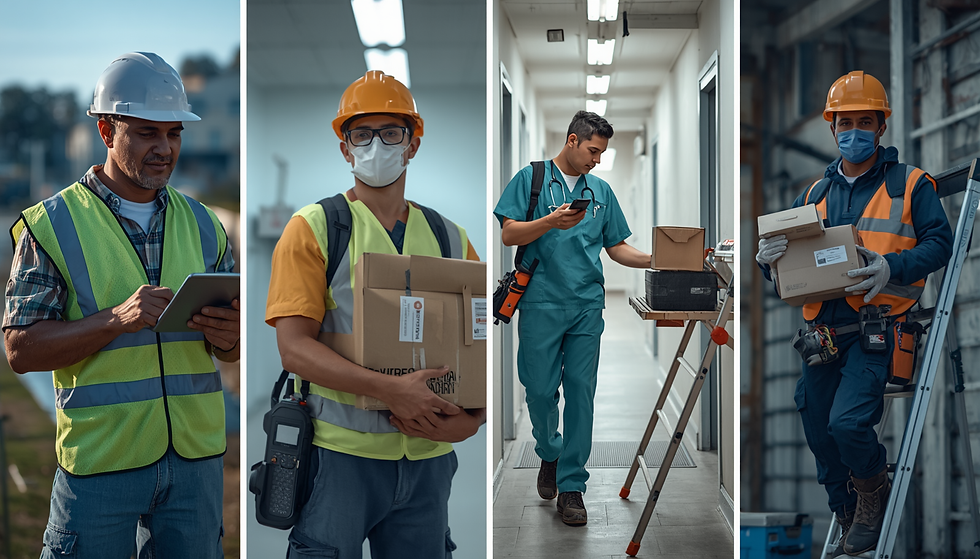
As industries evolve, more roles involve mobility, remote work, and independent tasks.
This makes lone worker safety no longer optional but a critical part of workplace safety strategy.
Conclusion
Lone workers play an essential role across many industries but they also face unique risks that cannot be ignored.
Understanding these risks is the first step toward creating a safer, more responsive work environment.


Comments